In March 2011, Fukushima was at the centre of one of the most significant disasters in modern Japan’s history. A powerful earthquake triggered a devastating tsunami, which led to the Fukushima Daiichi nuclear accident. Entire communities were displaced, infrastructure was destroyed, and the region faced long-term environmental, social and economic challenges. More than a decade on, what stands out is not just the scale of the recovery, but how deliberately Fukushima has rebuilt with a focus on resilience, sustainability and transparency.
What struck me most is how much Fukushima now offers as a real-world learning environment. In just a few days, I saw how a region can respond to crisis with purpose, preserving its cultural identity while embracing innovation and long-term thinking. Experiencing this from a B Corp perspective made it even more relevant, particularly in understanding how businesses, communities and institutions can work together to create positive impact.
A Powerful Perspective on Disaster and Recovery
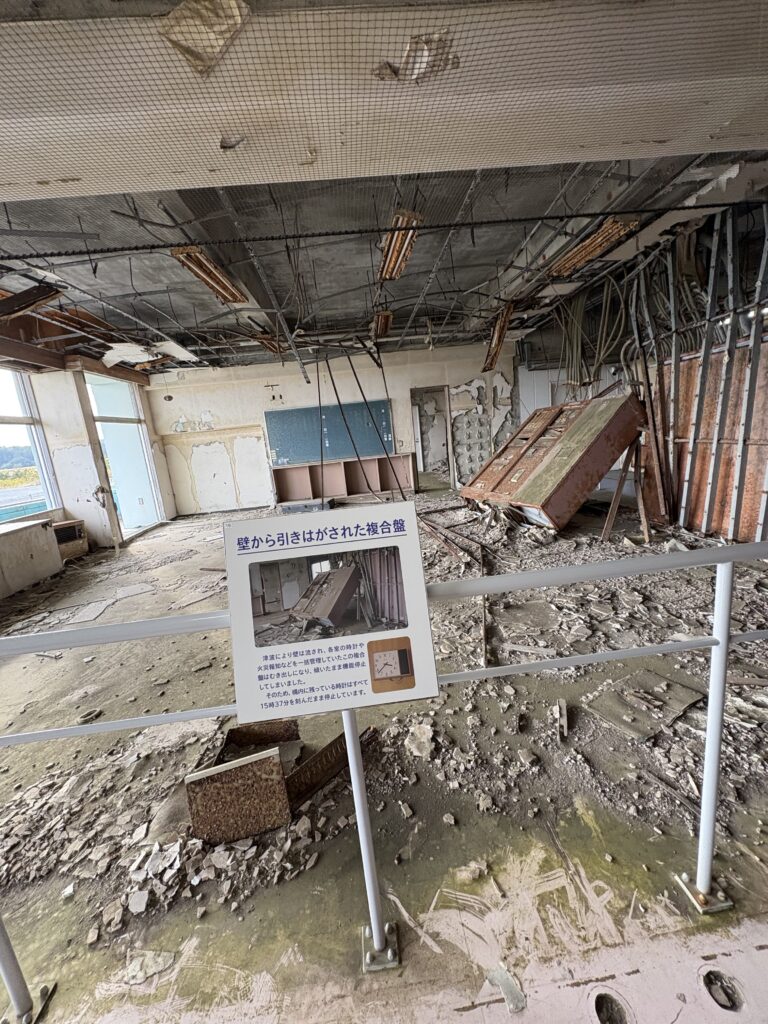
Visiting the Great East Japan Earthquake and Nuclear Disaster Memorial Museum and the preserved Ukedo Elementary School was confronting, but also incredibly important. The museum presents raw footage, personal belongings and firsthand accounts from the day of the disaster, giving a very real sense of the scale and human impact. At Ukedo Elementary, the building itself tells the story, having been preserved in its post-tsunami state.
What stood out to me was how openly these stories are shared. There is a strong emphasis on education, transparency and ensuring future generations understand what happened. For students, this provides a unique opportunity to explore disaster management, crisis response and the role of governance in recovery.
Keeping Culture Alive
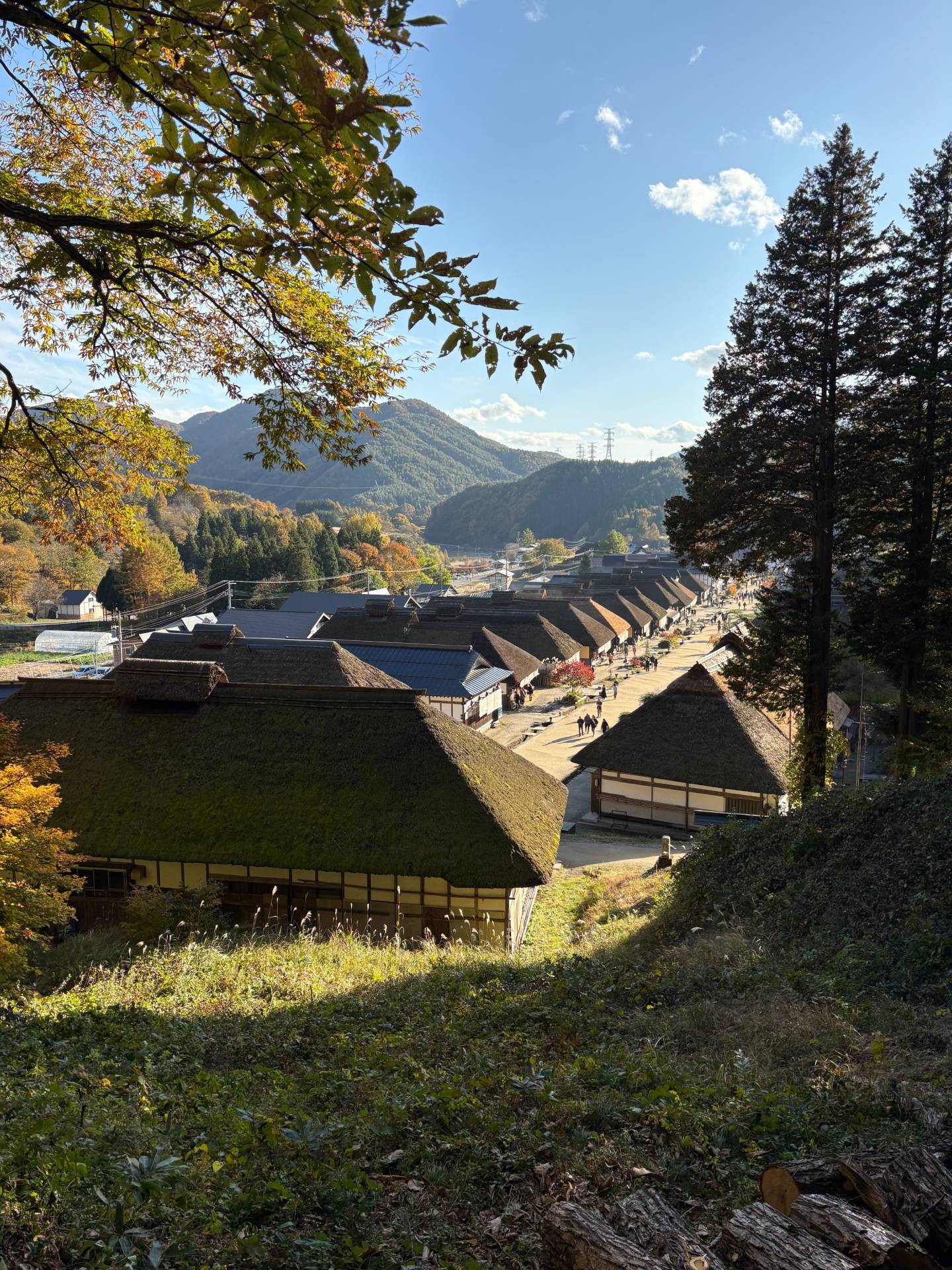
One of my favourite experiences was visiting Ouchi-juku, a traditional Edo-period post town in Shimogo. The thatched-roof buildings, small family-run shops and slower pace of life make it feel like stepping back in time.
I tried negi soba, where you use a long leek instead of chopsticks to eat your noodles. It was definitely a challenge, but also a really memorable way to engage with local tradition. What I found interesting is how tourism here supports preservation. By sharing these experiences with visitors, the community is able to maintain its cultural identity while creating sustainable economic opportunities.
Sustainability and Innovation in Action
At Tomioka Winery, I learned how areas that could no longer be used for residential rebuilding after the tsunami have been repurposed for agriculture. Turning these spaces into productive land is not only practical, but also symbolic of the region’s recovery.
This kind of adaptive land use supports local employment, encourages investment and contributes to long-term sustainability. It is a great example of how innovation can come out of necessity, and how regions can rethink traditional models of development.
Hands-On Cultural Experiences
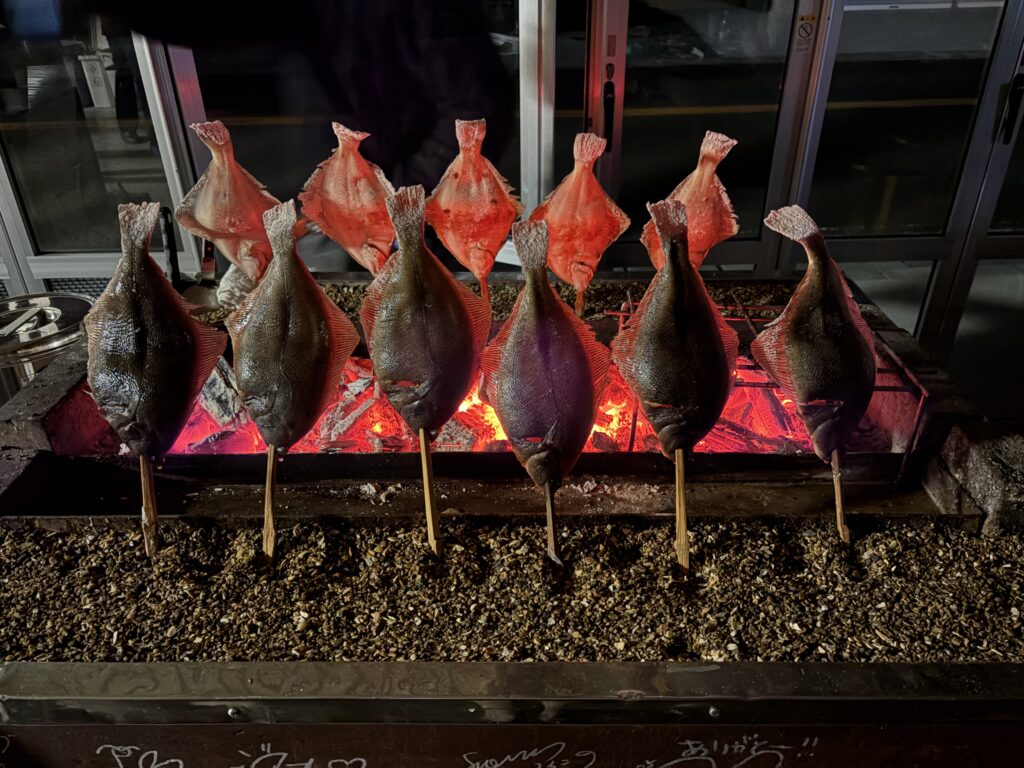
We also had the chance to take part in some really immersive activities. A standout was the hamayaki shoreside BBQ, where we skewered and grilled our own seafood, including flounder and squid. It was simple but incredibly engaging, and gave insight into local food culture and traditions.
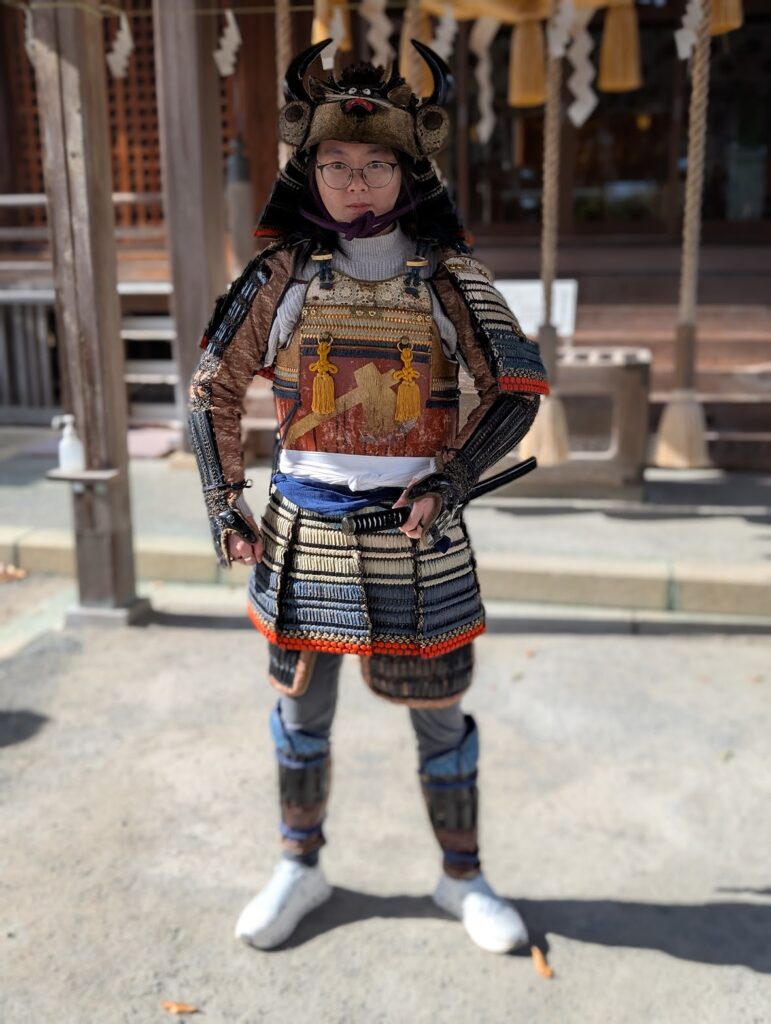
At Meijo-kan, we were able to wear authentic samurai armour, which added another layer to understanding Japan’s history and cultural identity. These kinds of hands-on experiences are what make a program memorable and help students connect more deeply with the destination.
Learning About Responsible Consumption
At Aquamarine Fukushima Environmental Aquarium, the focus is on educating visitors about sustainable seafood consumption. Given how central fish is to the Japanese diet, this is a really practical and relevant message.
The aquarium clearly outlines which species are endangered, which should be consumed in moderation, and which are more sustainable options. It is a simple but effective way of linking environmental education to everyday behaviour, and something that would resonate strongly with students studying sustainability and environmental science.
Why Fukushima Stands Out
For me, Fukushima is more than just a destination. It is a living case study. It brings together disaster recovery, cultural preservation, sustainability and innovation in a way that feels both authentic and deeply impactful.
From a B Corp perspective, it highlights how recovery can be approached with purpose, balancing economic development with social and environmental responsibility. It also shows the importance of community-led initiatives, transparency and long-term thinking.
After this visit, I can clearly see the potential for study tours in Fukushima, particularly for programs focused on sustainability, disaster management, social impact and responsible business. It offers students the opportunity to engage with real challenges and real solutions, which is ultimately what makes a study tour truly valuable.